
Healthy Coping Mechanisms for Stress & Difficult Emotions
I wasn’t in control of what was happening to me, but in the chaos, alcohol made it easier to escape those feelings. Using alcohol as a coping mechanism became my way of feeling okay, even if only for a short time. By the time I got to college, alcohol had become my go-to for dealing with stress, loneliness, and feeling out of place.
- Physical signs might manifest as sleep disturbances, weight changes, or unexplained aches and pains.
- Hair strands for basal cortisol secretion are taken scalp-near from a posterior vertex position to be able to reflect basal cortisol secretion within two months prior to the respective assessment point.
- She is an avid reader and writer and likes to spend her free time baking and learning about world cultures.
- Unfortunately, others turn to more harmful coping mechanisms when the feelings of stress set in.
Seek Professional Support
Bipolar disorder is a complex mental health condition that affects millions of individuals worldwide. It is characterized by significant shifts in mood, energy levels, and activity levels, which can have a profound impact what is Oxford House on a person’s daily life. To fully grasp the relationship between alcohol and bipolar disorder, it is crucial to understand the nature of this disorder.
Suicide-risk Behaviors at Age 30
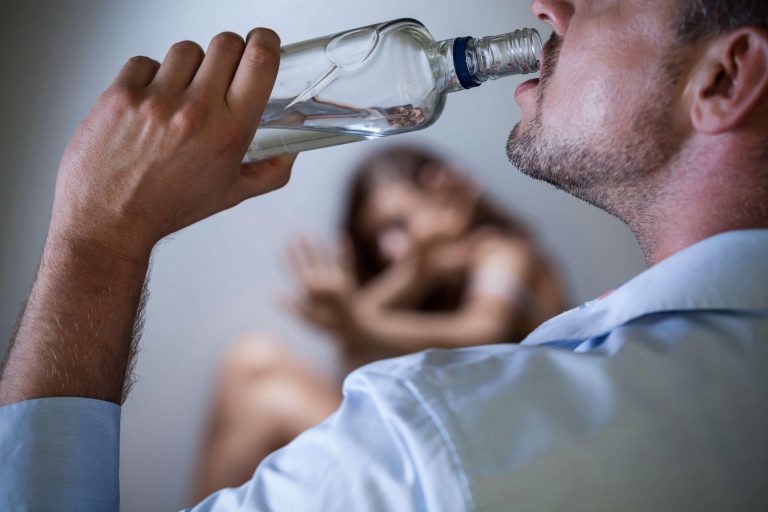
Finding a sustainable solution to alcohol abuse and addiction requires a good understanding of what drives the problem and what exactly you are using it to “cope” with. This often requires doing some introspective work and addressing topics that may be vulnerable, like past trauma, a high-stress lifestyle, or feelings of low self-worth. Alcohol abuse and dependence can often arise from the use of alcohol as a coping mechanism. American culture celebrates alcohol as a way to unwind after a hard day at work, drown sorrow in hard times, and as a social lubricant in all sorts of situations.
- Negative mental health effects are common as well, with depression and anxiety setting in the longer you lean on alcohol to cope.
- During manic episodes, individuals experience an abnormally elevated mood, increased energy, impulsivity, and heightened self-esteem.
- Although we are never to blame for undergoing trauma, feelings of shame and guilt can still arise.
- Promoting a culture of openness and support within first responder organizations is essential in creating an environment where seeking help is encouraged.
Drinking and COVID-19
Our brain changes physically as we develop these skills, and the more we practice them, the easier they become. Coping skills are essentially habits — repeated behaviors that happen in response to stressful situations. If we’ve been reacting to a particular set of circumstances in the same way for a long time, our brain goes on autopilot and our response becomes automatic.
Despite accumulating scientific evidence for alcohol use in self-management, these data are mostly qualitative. Therefore, one alcohol as a coping mechanism can currently only estimate how many people systematically use alcohol for various goals. Therefore, quantitative research must be strongly encouraged to finally outline the size of the phenomenon at the population level and determine the effect sizes of alcohol’s benefits at the individual level.
- Physical methods include diaphragmatic breathing and progressive muscle relaxation, addressing the bodily symptoms of stress.
- Coping with alcohol provides a masked layer between your present reality and the deep-rooted drivers causing you to drink.
- Ms. Kelsey Magee presented preliminary findings of the current study during poster sessions at the 2017 American Psychological Association Annual Convention and the 2018 Society for Prevention Research Annual Meeting.
- The cumulative cortisol secretion consisting of basal cortisol secretion as well as stress-induced cortisol secretion, has been shown to be an important moderator of stress-related adverse consequences including increase in alcohol use 85, 86.
- This disorder can be characterized by a person drinking to the point that their body becomes dependent on or addicted to alcohol, making the substance the number one priority in their life.
This disorder can be characterized by a person drinking to the point that their body becomes dependent on or addicted to alcohol, making the substance the number one priority in their life. An individual that has AUD will continue to consume alcohol even after their drinking has caused negative consequences in their life. Conversely, individuals with heavy alcohol use (both during intoxication and withdrawal) have a higher likelihood of developing personality disorders. In fact, alcohol abuse induces and exacerbates the symptoms of such disorders, making them more difficult to manage or respond to treatment. Conversely, mental health issues can also contribute to the development of alcoholism, as individuals may turn to alcohol as a coping mechanism or self-medication for their symptoms.